

Brushes: Natural vs Synthetic – What Artists Need to Know
Choosing the right paintbrush can elevate your artwork, especially when you understand the difference between Brushes: Natural vs Synthetic. Whether you're painting with watercolours, acrylics, or oils, the right brush can affect paint flow, texture, and final results.
What Is a Paintbrush?
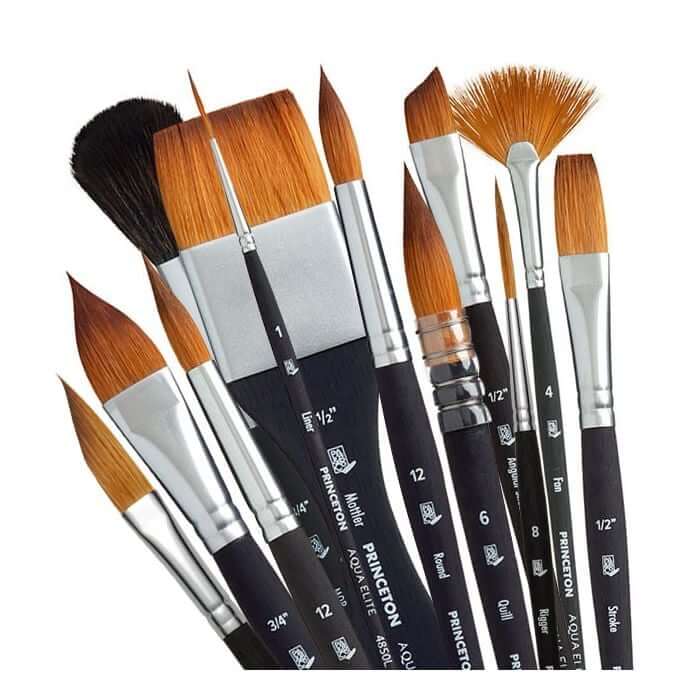
A paintbrush is a fundamental artist’s tool, consisting of a handle (wood or plastic), a ferrule (usually metal), and the bristles—either natural or synthetic.
The toe is the tip.
The belly is the thick middle.
The heel is where bristles are glued into the ferrule.
Natural bristles often come from squirrel, goat, ox, horse, or badger hair.
Synthetic Brushes Explained
Synthetic brushes are made from materials such as nylon, polyester, or Taklon, which are engineered to mimic the texture and performance of natural hair. They’ve come a long way since their invention in the 1950s and are now used by artists of all skill levels.
✅ Benefits of Synthetic Brushes:
Affordable: Perfect for beginners or bulk usage.
Durable: Hold their shape well, even under stress.
Vegan & Cruelty-Free: No animal products involved.
Low Maintenance: Easier to clean and maintain.
Versatile: Work well with acrylics, oils, and modern watercolours.
Today’s premium synthetic brushes, such as the Princeton Aqua Elite, mimic the microscopic cuticles of animal hair, offering near-natural performance.
Natural Brushes Explained
Natural brushes are made using hair from animals such as:
Squirrel
Goat
Kolinsky sable
Badger
Horse
Natural hair is naturally textured, which allows it to hold more water and pigment—especially valuable for watercolour artists. Because of their performance and craftsmanship, these brushes are often considered luxury tools.
✅ Benefits of Natural Brushes:
Unmatched Water Retention: Ideal for fluid washes in watercolour.
Organic Feel & Spring: Artists love the responsiveness.
Longevity: With proper care, a natural brush can last decades.
Precision: Kolinsky sable brushes hold a fine point, great for details.
Natural brushes are handmade by skilled artisans and often go through a rigorous process of cleaning, aligning, and shaping. This craftsmanship contributes to their higher cost.
🔗 Shop Our Natural Brush Range
Which Brush Should You Be Using?
Here’s a simple breakdown to help you decide:
Beginners: Start with synthetic brushes like the Princeton Select or Neef Synthetic Round. Affordable and beginner-friendly.
Watercolour Artists: Consider investing in natural hair brushes for better pigment flow and stroke control. The Neef Series 1150 or Princeton Refine Sable are excellent choices.
Acrylic & Oil Painters: Synthetic brushes hold up better against rougher media and heavy body paint.
Still unsure? Visit our Brush Buying Guide or talk to one of our experts in-store or online.
🧽 Brush Care: Natural vs Synthetic
Proper care ensures longevity, whether you use natural or synthetic brushes.
✅ Cleaning Tips:
Watercolour & Acrylic:
Rinse in lukewarm water.
Clean with artist soap or gentle brush cleaner.
Reshape bristles before drying.
Oil Paint:
Rinse in odorless solvent or eco-friendly alternatives.
Wash with brush soap.
Store flat or bristle-up once dry.
🔗 Read: How to Clean Paintbrushes the Right Way
🙋♀️ Frequently Asked Questions
Q: I’ve outgrown my cheap brushes—what’s next?
If you're getting serious about watercolour and your current brushes are limiting your progress, upgrade to a mid-range synthetic like Princeton Select. For higher performance, check out the Princeton Neptune or Aqua Elite lines—both offer an excellent blend of control and softness.
Q: Do I need to clean synthetic brushes differently than natural ones?
The basics of cleaning are the same. However, natural brushes require gentler handling and should never be left soaking. Use a brush conditioner occasionally to keep the bristles soft and supple
Brushes: Natural vs Synthetic – Which Should You Choose?
Both brush types offer unique benefits. Here's how to decide:
| Feature | Natural Brushes | Synthetic Brushes |
|---|---|---|
| Water Retention | Excellent (ideal for watercolour) | Good (improving with technology) |
| Durability | High with proper care | Very high, especially with acrylics |
| Cruelty-Free | ❌ (made from animal hair) | ✅ (vegan and cruelty-free) |
| Price | Expensive | Budget-friendly |
| Medium Compatibility | Best for watercolour | Great for acrylics, oils, and gouache |